
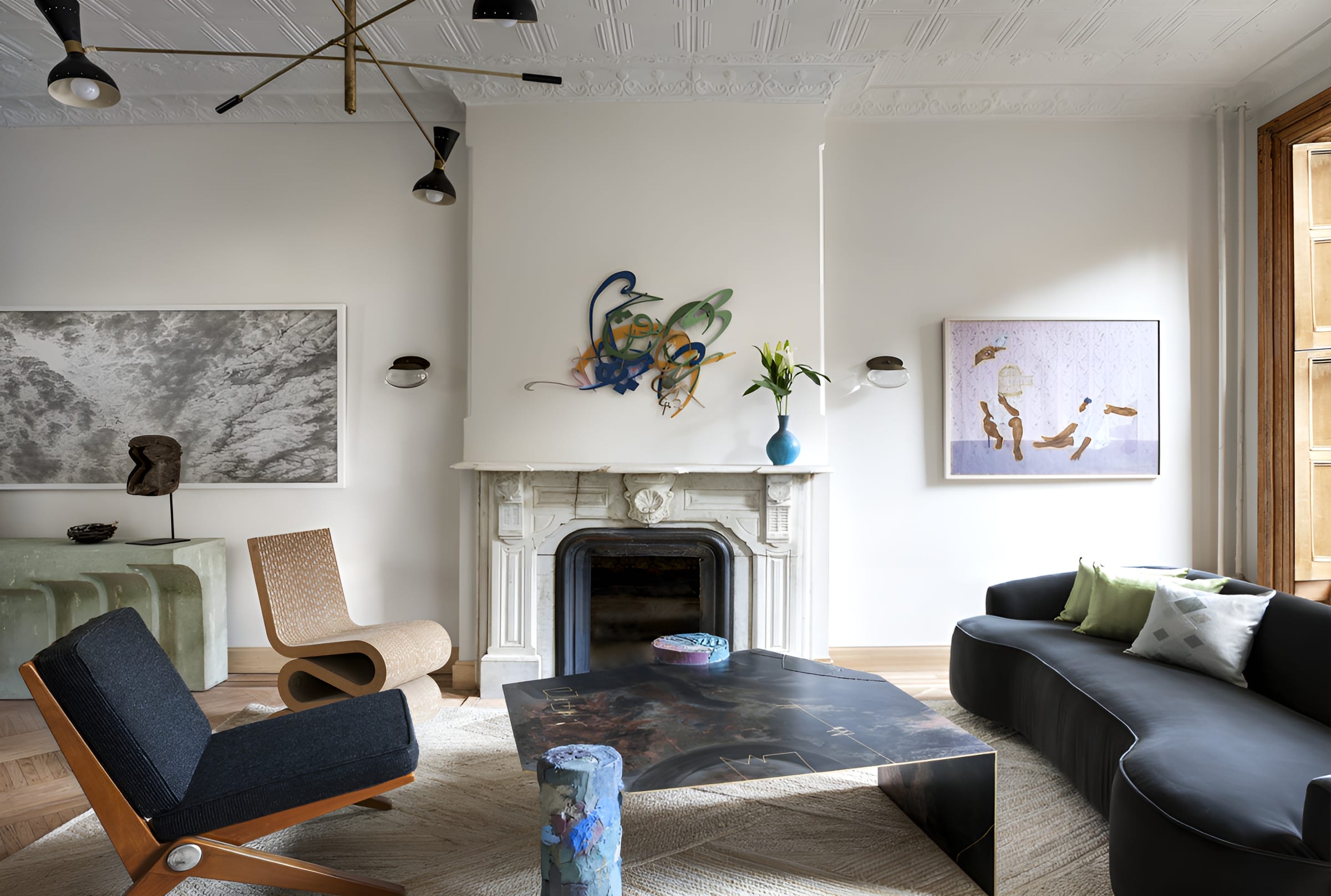

Furniture plays a central role in shaping the atmosphere, comfort, and functionality of any living space. Whether you’re furnishing a new home or updating your existing décor, understanding key furniture styles, materials, and design principles can help you make confident, long-lasting choices.
What Defines Modern Furniture?
Modern furniture emphasizes simplicity, clean lines, and purposeful design. Rooted in the early 20th century, this style blends functionality with aesthetics, favoring forms that feel natural, uncluttered, and enduring.
Key Characteristics
-
Minimal ornamentation
-
Neutral or earthy color palettes
-
Focus on practicality and durability
-
Integration of natural and engineered materials
Popular Furniture Styles
1. Contemporary
Contemporary furniture evolves with current trends. It often incorporates soft curves, mixed textures, and innovative materials. This style is ideal for homeowners who enjoy a fresh, up-to-date look that remains comfortable and inviting.
2. Scandinavian
Scandinavian design blends simplicity with warmth. It features pale woods, organic shapes, and light-toned fabrics. The style is perfect for open spaces and smaller homes because of its emphasis on brightness and minimal clutter.
3. Industrial
Industrial furniture celebrates rawness—think exposed metal, distressed wood, and warehouse-inspired forms. It adds character to lofts and modern urban homes.
4. Traditional
Traditional furniture is rich in detail and craftsmanship. Ornate carvings, dark woods, and classic silhouettes create a timeless, elegant environment suited for those who prefer a more formal aesthetic.
Common Furniture Materials
Wood
Wood remains the most beloved and reliable furniture material. Options range from oak and walnut for durability to pine for affordability. Solid wood pieces often last decades with proper care.
Metal
Sleek, strong, and versatile, metal is commonly used in frames, legs, and accents. It works well in modern, minimalist, and industrial interiors.
Glass
Glass tabletops and shelving create an open, airy appearance. Tempered glass is preferred for strength and safety.
Upholstery
Fabric and leather upholstery influence comfort and style.
-
Fabric: Breathable and available in endless patterns.
-
Leather: Durable and sophisticated, aging beautifully over time.
Choosing Furniture for Your Home
Measure First
Before buying, measure your space, doorways, and hallways. This prevents returns and ensures a smooth delivery process.
Prioritize Comfort
Style matters, but comfort plays a bigger role in daily use. Always test seating when possible.
Match Your Lifestyle
If you have children or pets, focus on durable materials like microfiber, stain-resistant fabrics, or solid hardwood.
Create a Cohesive Look
Stick to a consistent theme in terms of color palette and design style. This creates visual harmony and reduces clutter.
Furniture Care Tips
Regular Cleaning
Dust wooden and metal surfaces weekly. Wash or vacuum upholstery to keep it looking new.
Protective Measures
Use coasters, placemats, and covers to extend the life of your furniture.
Avoid Sun Damage
Prolonged sunlight can fade wood and fabrics. Keep your furniture away from harsh direct light whenever possible.
Eco-Friendly Furniture Options
Sustainable furniture is becoming a popular choice among homeowners. Look for:
-
FSC-certified wood
-
Recycled metal or glass
-
Low-VOC finishes
-
Natural fabrics like organic cotton or linen
These eco-conscious options reduce environmental impact while offering long-lasting quality.
FAQs
1. What is the best furniture style for small spaces?
Scandinavian and minimalist styles work well because they emphasize lighter colors and multifunctional pieces.
2. How long should quality furniture last?
High-quality wood and metal furniture can last decades, while upholstery longevity depends on maintenance and material.
3. Is solid wood better than engineered wood?
Solid wood is more durable, but engineered wood can be cost-effective and stable for certain designs.
4. How do I mix different furniture styles in one room?
Choose one dominant style and complement it with a few contrasting pieces that share similar colors or materials.
5. What type of sofa fabric is the most durable?
Microfiber and top-grain leather are among the most durable options for daily use.
6. How can I protect wooden furniture from scratches?
Use felt pads under décor items and avoid dragging objects across surfaces.
7. What should I look for when buying a mattress?
Consider firmness level, support type, and material, and ensure it aligns with your sleeping style.

Comments are closed.