
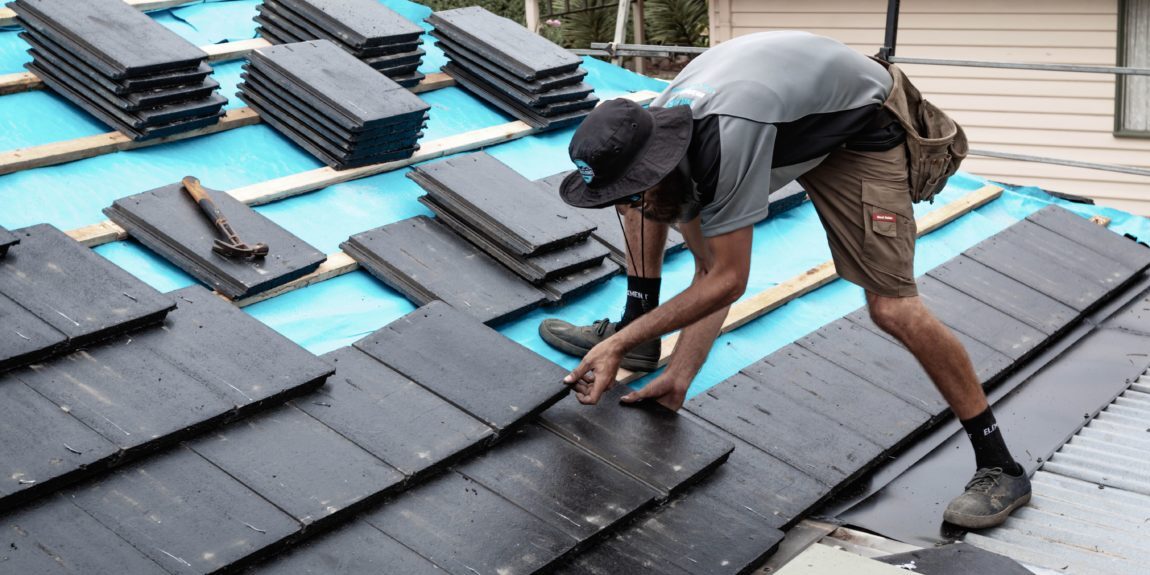

Understanding Clay Tile Roofs: What Makes Them Exceptional?
The Timeless Elegance of Clay Tiles
Clay tile roofs have been a symbol of architectural beauty and sophistication for centuries. Their long-standing presence can be traced back to ancient civilizations, such as the Romans, who utilized clay tiles to create durable roofs that not only protected their buildings but also added a distinct aesthetic appeal. Today, clay tiles remain an incredibly popular choice for homeowners who value both aesthetics and functionality. The rich, earthy tones and textures of clay tiles provide an elegant look that complements a variety of architectural styles, from Mediterranean to contemporary designs. Moreover, their ability to retain color over time and resist fading means that homes adorned with clay tiles maintain their visual appeal for decades, making them a timeless investment.
Durability and Longevity: A Roof That Lasts
One of the most compelling reasons to choose clay tiles for roofing is their impressive durability. Made from natural clay that’s kiln-fired, these tiles are resistant to fire, rot, and pests. Unlike traditional asphalt shingles that can degrade over time due to weather exposure or UV damage, clay tiles possess a lifespan that frequently exceeds 50 years. In some cases, if properly maintained, clay roofs can last over a century. Their robust nature makes them suitable for various climates, from arid deserts to humid coastal areas, providing reliable protection regardless of external conditions. Furthermore, clay tiles can withstand harsh weather, including heavy winds, hail, and snow, positioning them as a wise long-term investment for homeowners looking to maximize their property’s resilience and longevity.
The Eco-Friendly Choice: Clay Tiles and Sustainability
In recent years, sustainability has become a central consideration for many homeowners, and clay tiles stand out as an eco-friendly roofing option. Being made from natural materials, clay tiles are recyclable and reduce the environmental impact compared to synthetic alternatives. Additionally, clay has a low thermal conductivity, allowing buildings to stay cooler in summer and warmer in winter, which can result in lower energy bills and a smaller carbon footprint. Many manufacturers also comply with sustainable practices, ensuring that their production methods are environmentally responsible and minimizing waste. This commitment to nature and energy efficiency contributes to a growing preference for clay tiles among consumers who prioritize sustainable living.
Signs It’s Time to Replace Your Clay Tile Roof
Common Red Flags: Warning Signs of Wear and Tear
Being proactive about roof maintenance can save homeowners significant costs in the long run. When it comes to clay tile roofs, several warning signs indicate that it’s time for a replacement. Firstly, cracked or broken tiles are a clear indicator of distress. These tiles not only compromise the aesthetic value of your roof but can also lead to leaking and water damage if left unaddressed. Additionally, if you notice that tiles are missing from your roof, it’s crucial to act quickly, as gaps can allow moisture to penetrate, leading to structural issues within your home.
Another significant sign to watch for is sagging or uneven surfaces. This could indicate underlying structural problems such as rotting underlayment or damage to the roof deck, often caused by prolonged water exposure. Finally, an increase in granules in your gutters can signify deterioration, as this indicates that your roofing material is breaking down. Homeowners should perform regular inspections, especially after severe weather conditions, to stay ahead of any potential issues and maintain the integrity of their roofs.
Understanding Lifespan: How Long Should a Clay Tile Roof Last?
While the general lifespan of clay tile roofs can exceed 50 years, several factors influence their longevity. Quality of installation, the type of clay tiles used, climate conditions, and maintenance practices all play significant roles in determining how long a roof will last. For instance, homes located in coastal areas, subject to salt air and harsh storms, might experience a shorter roof lifespan if appropriate materials aren’t utilized. Conversely, in regions with more temperate conditions, well-constructed clay roofs can reach the century mark.
Furthermore, regular maintenance is key to achieving maximum lifespan. Homeowners should establish a routine inspection schedule that includes checking for cracks, replacements of missing tiles, and ensuring proper drainage systems are in place to prevent moisture build-up. Engaging professional roofers for periodic assessments can preemptively catch minor issues before they escalate into costly repairs.
Cost vs. Value: Weighing the Benefits of Replacement
When contemplating a clay tile roof replacement, it’s essential to weigh the costs against the long-term benefits. The initial investment is considerably higher compared to conventional roofing materials like asphalt shingles. However, the longevity and durability of clay tiles often mean significant savings over time. Homeowners must consider not only the immediate costs but the potential expenses related to frequent repairs, energy bills, and the impact on the home’s resale value.
Moreover, homes with well-maintained clay tile roofs often attract buyers willing to pay a premium for quality features. A new clay tile roof enhances aesthetic appeal and provides insulation and energy efficiency, contributing to lower heating and cooling costs. When evaluating replacement, it is prudent to consider both tangible and intangible benefits, as a clay tile roof represents an investment in your home’s future.
The Replacement Process: Step-by-Step Guide to Success
Planning Your Replacement: Timing and Preparation
Planning a roof replacement requires thoughtful consideration of timing, especially regarding climate and local conditions. Ideally, the roofing project should be scheduled during milder weather, avoiding extremes in winter or summer that could hinder the installation process. Preparing for replacement also involves assessing the existing roof’s condition to determine how much repair work might be necessary before installation. Homeowners should consider obtaining estimates from multiple roofing contractors to better understand the costs and timelines associated with their specific situation.
Additionally, homeowners should review local building codes and potential permitting requirements, ensuring compliance to avoid delays. A thorough understanding of the process also involves communicating with neighbors about potential disruptions, ensuring they are aware of the project timeline and any expected noise or debris. Taking these steps promotes a smooth and organized roofing experience.
Choosing the Right Contractor: What to Look For
Selecting the right contractor is critical to the success of your clay tile roof replacement. When searching for qualified professionals, homeowners should prioritize experience and proven track records. Look for contractors who specialize in clay tile installation, as their knowledge of specific techniques and materials can greatly affect the craftsmanship of your roof. It’s also advisable to request multiple references and check online reviews to gauge customer satisfaction levels.
Transparency in pricing, detailed estimates, and clear communication about timelines and processes are also key factors to consider. Ensure that the contractor is licensed, insured, and has all necessary permits to conduct the work in your area. Finally, inquire about warranties on both labor and materials, as a reputable contractor should stand behind their work, offering you peace of mind long after the job is completed.
Materials Matter: Selecting the Best Clay Tiles for Your Home
The quality of the clay tiles you choose is fundamental to the success of your roof replacement. Different types of clay tiles vary in weight, appearance, and performance characteristics. Homeowners must assess their specific needs and preferences when selecting tiles that complement the architectural style of their home while addressing functional requirements such as climate adaptation and durability.
Common types of clay tiles include barrel tiles, flat tiles, and interlocking tiles, each offering varying aesthetics and benefits. It’s crucial to consider both aesthetic appeal and practicality; for example, flat tiles may provide a more contemporary look, while barrel tiles evoke classic Mediterranean charm. Additionally, tiles come in a variety of colors and finishes, allowing homeowners to express personal style through their roofing choice.
Finally, ensure to source tiles from reputable suppliers who adhere to industry standards for quality. Furthermore, understanding the environmental impact of your choices—with an eye towards sustainability—will allow you to contribute positively to the environment while achieving your roofing goals.
Post-Replacement Care: Ensuring Longevity and Performance
Maintenance Tips: Keeping Your New Roof in Top Shape
After successfully replacing your clay tile roof, establishing a maintenance routine is crucial to preserving its condition and functionality. Regular inspections should be conducted, particularly following storms or periods of extreme weather, to identify any damage early. Clear debris from gutters and valleys to promote proper drainage, as clogged systems can lead to pooling water and unnecessary weight on the tiles.
Additionally, check around chimneys, vents, and skylights for signs of wear, as these areas are often prone to leaks if not properly sealed. If your roof collects moss or algae, consider using appropriate cleaning solutions to eliminate build-up without damaging the tiles. Furthermore, ensure that nearby trees are trimmed back, preventing branches from rubbing against the roof, which can cause scratches or dislodged tiles. By actively caring for your roof, you can extend its lifespan and avoid costly repairs.
Inspecting After Installation: What to Check and When
Post-installation inspections are just as vital as pre-installation planning. Within the first few months after your new clay tile roof is installed, conducting a thorough examination is wise to identify any immediate issues. Look for cracked tiles, improper sealing around joints, and any debris stuck in the underlayment that could compromise your roof’s integrity. Schedule follow-up inspections at least once a year thereafter, ensuring that these checks coincide with seasonal weather changes that may impact roof performance.
Documenting the condition of your roof after installation with high-resolution photographs can help you keep track of its evolution over time and support future maintenance discussions with contractors. By being vigilant about aftercare, you can capitalize on your investment and enjoy peace of mind knowing that your home is protected.
Reap the Benefits: How a New Roof Enhances Your Home’s Value
A new clay tile roof does more than just protect your home; it significantly enhances its value. In real estate, curb appeal is crucial, as first impressions are often lasting ones. A well-maintained clay tile roof adds to the overall aesthetic of a property, making it more attractive to potential buyers. In many cases, homes featuring high-quality roofing materials can fetch higher prices on the market compared to those with less durable or visually appealing options.
Furthermore, the energy efficiency associated with clay tiles can be a selling point for environmentally-conscious buyers. As mentioned earlier, these roofs contribute to lower heating and cooling costs, making a property more appealing from a long-term financial perspective. When combined with other home improvements, a new clay tile roof strategically positions your property in a competitive market, ensuring you maximize your investment and create a valuable asset for the future.

Comments are closed.