
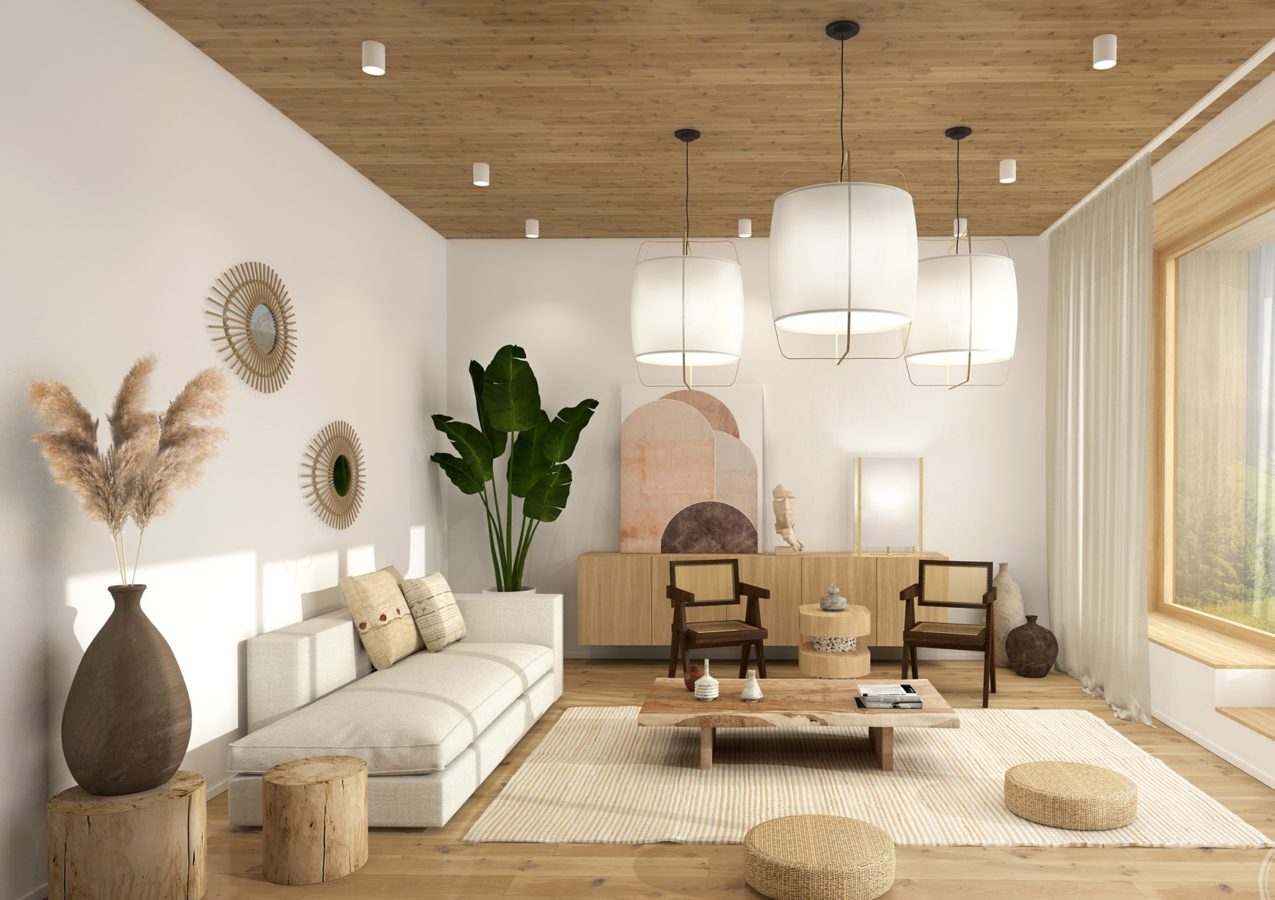

Japandi design represents the intersection of two distinct yet fundamentally aligned philosophies: Scandinavian functional minimalism and Japanese wabi-sabi aesthetics. While Scandinavian interiors emphasize light, utility, and the comfortable warmth known as hygge, traditional Japanese decor focuses on strict simplicity, craftsmanship, natural materials, and the beauty found within imperfection. Merging the two styles creates an interior environment that feels uncluttered without feeling sterile, and warm without being overcrowded.
Achieving a truly cozy Japandi interior requires a delicate balance. It is not simply a matter of painting walls off-white and purchasing low-profile furniture. It demands intentionality, an appreciation for organic materials, a disciplined color palette, and curated textures that elevate everyday living spaces into serene sanctuaries.
The Foundations of the Japandi Philosophy
To build an authentic Japandi space, one must first grasp the core concepts driving both parent styles.
The Scandinavian approach developed largely in response to long, dark northern winters. It prioritizes maximizing natural daylight, employing pale timber, and creating inviting, functional layouts that support domestic comfort. Every object serves a practical purpose, yet comfort is never compromised.
In contrast, Japanese interior traditions stem from Zen Buddhism and the wabi-sabi worldview. This perspective reveres transience, unpretentious natural textures, low-to-the-ground living, and spatial openness, commonly referred to as ma, or negative space.
When blended, these concepts correct each other’s extremes. Scandinavian design prevents Japanese minimalism from feeling overly austere, while Japanese restraint keeps Scandinavian warmth from sliding into rustic clutter. The result is a refined, grounding aesthetic that supports mental clarity and physical relaxation.
Selecting a Warm and Grounding Color Palette
Color establishes the baseline mood for any interior. In standard modern minimalism, stark whites and cool grays often dominate, which can make a home feel detached. Japandi deliberately departs from cold tonality in favor of warm neutrals and muted, earthy pigments.
-
Base Neutrals: Use soft plaster, oatmeal, warm cream, taupe, and light greige across large wall expanses to maximize ambient light while maintaining warmth.
-
Wood Tones: Combine light Scandinavian woods like ash, birch, and white oak with deeper Japanese finishes like cedar, walnut, and charred yakisugi wood.
-
Earthy Accents: Introduce subtle color through muted olive, moss green, terra cotta, washed indigo, charcoal, and warm slate.
-
Contrasting Accents: Ground the airy palette with matte black hardware, iron frames, or blackened timber details to provide visual definition.
Limit the overall color palette within a single room to three or four primary shades. Uniformity across adjoining rooms ensures a seamless visual flow throughout the entire house.
Prioritizing Authentic, Natural Materials
Synthetic materials undermine the organic ethos of Japandi interiors. The sensory experience of natural materials creates an immediate feeling of comfort and connection to the outside world.
-
Timber: Prioritize solid woods displaying honest grain patterns, knots, and slight color variations. Avoid high-gloss lacquers; matte oil or wax finishes protect the wood while preserving its tactile quality.
-
Stone and Clay: Introduce unpolished granite, soapstone, travertine, and handmade ceramic vessels. The organic irregularities of wheel-thrown stoneware directly reflect the wabi-sabi appreciation for imperfection.
-
Paper and Woven Fibers: Incorporate washi paper lighting, woven rattan, cane screens, bamboo blinds, and seagrass baskets. These elements add necessary surface interest without relying on vibrant patterns.
-
Metals: Stick to brushed or patinated metals, such as blackened steel, antique brass, or cast iron, avoiding polished chrome or high-shine gold.
Choosing Furniture with Clean Lines and Low Profiles
Japandi furniture focuses on exceptional joinery, low centers of gravity, and clean geometries. Low-profile seating and storage draw visual weight downward, which creates an illusion of taller ceilings and expansive vertical space.
Select a low platform bed frame made of solid oak or walnut, paired with a simple headboard or an unadorned wall. In living areas, choose sofas and lounge chairs with visible timber legs, low backs, and deep, firm cushions upholstered in durable linen or textured wool blends.
Storage pieces should feature flat paneling, slatted sliding screens, or discreet finger pulls instead of ornate knobs. When functional items are concealed behind seamless doors, the visual clutter of daily life disappears, leaving the room open and calm.
Layering Tactile Textiles for Hygge-Inspired Comfort
A minimalist room without appropriate textiles can quickly feel echoey and unwelcoming. In Japandi styling, warmth is introduced through touch rather than loud patterns or excessive decoration.
-
Window Treatments: Hang sheer linen drapes that run from ceiling to floor, allowing diffuse natural light to filter inward while preserving privacy.
-
Floor Coverings: Anchor seating groupings with thick flatweave wool rugs, jute runners, or authentic tatami mats. Keep rug designs plain or subtly ribbed.
-
Bedding and Throws: Use pre-washed French flax linen sheets, waffle-weave cotton duvets, and brushed alpaca or bouclé accent blankets.
-
Upholstery: Avoid shiny synthetics or heavily printed textiles. Instead, opt for coarse woven cotton, slub linen, tactile wool, or supple, untreated leather that ages with use.
Mastering Light and Shadow
Lighting in a Japandi interior is treated as an architectural component rather than an afterthought. Harsh, bright overhead lights ruin the tranquil atmosphere of a carefully decorated room.
Maximize natural light during daytime hours by keeping window frames unobstructed and using sheer treatments. As evening arrives, transition the room into soft, layered pools of warm illumination.
Place floor lamps with washi paper shades in quiet corners to generate a soft, ambient glow. Table lamps featuring rough ceramic bases and linen shades should be situated at varying heights across credenzas and side tables. Conceal low-temperature, warm-spectrum LED strips beneath floating shelves or along structural baseboards to gently outline room perimeters. Keep all bulbs between 2400K and 2700K to mirror the golden warmth of evening light.
Curating Clutter-Free, Meaningful Decor
The golden rule of Japandi styling is quality over quantity. Every item placed on a surface must justify its presence either through daily functional utility or through profound personal beauty.
Avoid mass-produced decor sets found in commercial showrooms. Instead, display a singular handmade ceramic vase containing a solitary dried branch, an ikebana arrangement, or seasonal foliage. Hang a single large-scale piece of abstract art or calligraphy framed in simple raw oak rather than building an overcrowded gallery wall.
Allow open negative space to exist across walls, tables, and floors. Empty space is not an unfinished project; it is an active design component that lets the remaining furnishings breathe and capture attention.
Frequently Asked Questions
Can colorful art or accents work within a Japandi home?
Yes, but colors should stay grounded in nature. Subdued tones such as persimmon, forest green, deep ochre, or indigo work well when incorporated through small accents like a single ceramic piece, a throw cushion, or an understated piece of artwork. Vibrant neon tones or busy patterns should be avoided.
How do I design a Japandi home on a modest budget?
Focus on editing out existing clutter first, as minimalism costs nothing. Source second-hand solid wood furniture from thrift stores and strip off dark, glossy stains to expose the natural grain. Incorporate affordable natural textiles such as linen-cotton blends and jute rugs, and choose paper lanterns for budget-friendly ambient lighting.
What interior doors work best for Japandi layouts?
Sliding wooden pocket doors, frosted glass panels with slim black metal frames, or custom wooden slatted screens inspired by traditional Japanese shoji doors work best. These doors save clearance space, reinforce clean lines, and maintain visual flow between adjacent living zones.
Is Japandi design practical for households with pets or children?
It can be very practical if durable materials are selected upfront. Opt for stain-resistant, tightly woven performance linen fabrics, solid hardwood with a natural matte wax finish that can be spot-repaired, and closed lower-cabinet storage to keep toys and supplies out of sight.
How does Japandi differ fundamentally from pure Scandinavian style?
Pure Scandinavian design leans heavily on bright white walls, pastel accents, and cool grays, often incorporating playful patterns and industrial elements. Japandi introduces deeper, earthy wood tones, wabi-sabi roughness, lower-profile furniture, and a stricter commitment to negative space.
Which houseplant varieties best fit the Japandi aesthetic?
Choose architectural plants with clear branch structures rather than dense, leafy varieties. Excellent choices include the Japanese maple, bonsai specimens, fiddle leaf fig pruned to show its trunk, snake plants, cast-iron plants, and tall bamboo palm in simple terracotta or stoneware planters.
Can Japandi be mixed with traditional molding and wall trims?
Japandi works best on smooth, unadorned wall surfaces, but historic moldings can coexist with the style if painted in the same uniform, warm off-white shade as the walls. This approach softens classical wall details and turns them into subtle, monochromatic textures that complement minimalist furniture.

Comments are closed.