
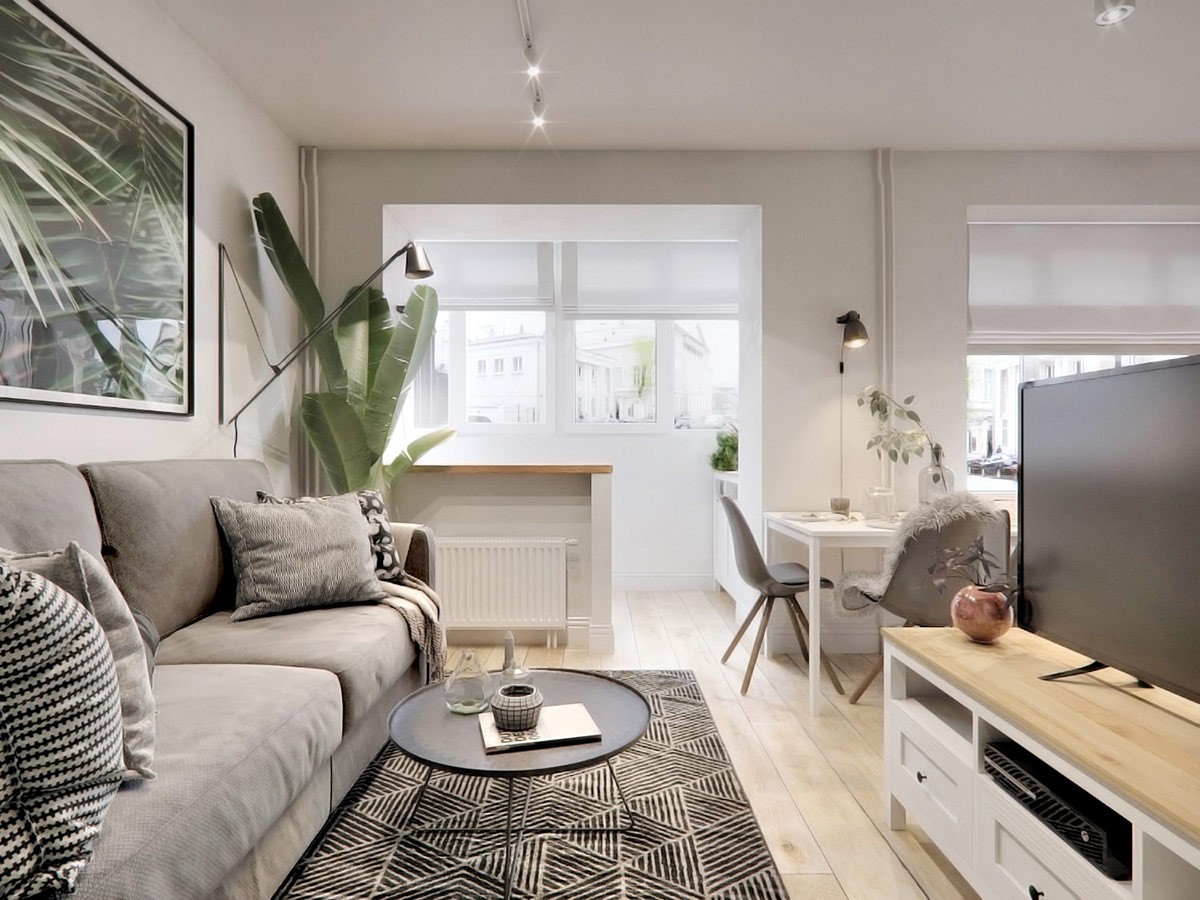

Living in a smaller apartment or home often feels like a constant compromise between comfort and utility. When square footage is tight, a single misplaced armchair or an oversized coffee table can disrupt the flow of an entire room. However, square footage does not determine whether a home feels inviting or restrictive. The secret lies in understanding scale, light, spatial flow, and visual weight.
With intentional decorating strategies, you can visually stretch tight boundaries, uncover untapped storage, and create rooms that feel expansive and purposeful. Here are interior design strategies that expand your living area while preserving your personal style.
Manipulating Sightlines and Visual Weight
The human eye judges space not just by physical dimensions, but by how easily gaze moves through a room. Heavy, blocky furniture that sits flat on the floor stops the eye instantly, creating a chopped-up, boxed-in impression.
-
Choose elevated legs: Sofas, credenzas, and armchairs with slender, elevated legs allow light and air to pass underneath. Exposing more floor area fools the brain into perceiving broader square footage.
-
Embrace transparency: Glass, acrylic, and lucite coffee tables or nesting tables serve practical needs without adding visual heft. Because light travels directly through them, surfaces look open and uncluttered.
-
Keep low horizons: Opt for low-profile headboards, sofas, and consoles. Keeping primary furniture below mid-wall height leaves clear sightlines across the room, which makes the ceiling seem taller.
-
Blend heavy pieces into walls: If you must incorporate a bulky wardrobe or large bookshelf, paint it the exact shade of the surrounding wall. This camouflage softens hard edges and prevents the piece from dominating the room.
Mastering Strategic Wall and Ceiling Paint Techniques
Paint remains one of the most cost-effective tools for altering spatial perception. While conventional wisdom suggests sticking exclusively to pure white in tiny apartments, thoughtful paint applications offer far more dramatic results.
Monochromatic color palettes blur room boundaries. When baseboards, trim, walls, and crown moldings share the same soft color, the eye cannot easily pinpoint where walls end and ceilings begin. Off-white, soft taupe, pale sage, and light greige reflect light evenly without the sterile chill of pure laboratory white.
A brilliant trick for compact rooms is color drenching, which involves applying one color across every architectural surface, including built-in shelving and doors. This removes harsh visual breaks. If your room suffers from low ceilings, paint the ceiling half a shade lighter than the walls, or extend your wall paint two to three inches onto the ceiling border to draw the gaze upward.
For narrow hallways or compact entryways, consider painting the far wall a saturated, dark hue like charcoal, forest green, or deep navy. Dark shades visually recede, giving the impression of an endlessly deep room rather than an abrupt stopping point.
Selecting Furniture with Dual Personalities
Every item in a compact layout must earn its keep. Single-purpose furniture quickly eats up valuable room, leaving you with clutter and awkward navigation paths.
-
Storage ottomans: These double as soft footrests, auxiliary guest seating, and hidden compartments for throw blankets, board games, or seasonal linens.
-
Extendable dining options: Drop-leaf tables, gateleg designs, and wall-mounted fold-down surfaces work as quiet work desks by day and expand to host dinner guests by night.
-
Hydraulic lift beds: Unlike drawer beds that demand extensive floor clearance on either side, lift-up platform frames open vertically, unlocking the massive hollow area beneath your mattress without bumping into nightstands.
-
Daybeds and deep bench seating: Built against perimeter walls, cushioned storage benches offer cozy reading nooks, discreet utility bins underneath, and comfortable sleeping options for visitors.
Prioritize pieces with straightforward, simple lines. Intricate carvings and rolled arms consume physical inches and disrupt visual cleanliness.
Exploiting Vertical Real Estate
When horizontal square footage runs out, look up. Most small homes feature abundant unused space extending from head height to the ceiling.
Take storage upward by installing floating shelving that reaches the top crown molding. High-mounted shelves draw eyes toward the ceiling, creating an impression of loftiness while storing books, plants, and decorative keepsakes. Keep daily-use essentials on the lower tiers and stow rarely used items in uniform woven baskets on the top shelves.
Floor-to-ceiling drapery delivers another immediate visual lift. Mount drapery rods just below the ceiling line rather than immediately above the window trim, and let panels run straight down to graze the floor. This layout draws lines vertically, tricking the mind into seeing expansive window proportions and taller walls.
Vertical wall storage also keeps essential floor zones unobstructed. Wall-hung sconces eliminate the need for bulky table lamps on bedside stands, and magnetic knife strips clear counter space in narrow kitchens.
Harnessing Mirrors and Layered Lighting
Lighting determines whether a compact room feels like an intimate retreat or a cramped cave. Relying entirely on a single overhead fixture casts harsh downlights and shadows that make corners seem smaller.
Begin with wide mirrors positioned opposite windows. A well-placed floor mirror bounces incoming daylight deep into dark corners, essentially creating a faux second window. If you lack direct window reflections, place a mirror behind a lamp to amplify artificial light at night.
Build layered illumination by combining three light sources at varying heights:
-
Task lighting: Directional reading lights, clip-on counter lamps, or under-cabinet LED strips aimed at specific work zones.
-
Ambient lighting: Dimmable overhead pendants or semi-flush mounts that wash the central ceiling with soft, diffused brightness.
-
Accent lighting: Uplights behind floor plants, picture lights over framed prints, or warm LED channels tucked beneath floating consoles.
Spreading low-intensity warm light sources across the room balances brightness and hides dark edges, giving the space greater depth.
Eliminating Micro-Clutter with Hidden Storage
A sprawling room can tolerate occasional clutter, but even minor messes can overwhelm a compact studio or cottage. The goal is not barren minimalism, but deliberate containment.
Use tailored storage solutions to conceal daily utility items. Woven floor baskets gather pet toys and chargers out of view. Cable management boxes keep tangled electrical cords off baseboards, and shallow over-the-door organizers turn the backs of closet doors into vertical pantries or shoe depots.
Keep exposed surfaces largely clear. On a small coffee table, arrange items on a single decorative tray rather than scattering magazines, remotes, and coasters across the surface. Grouping loose items onto an organized tray reads as one cohesive visual element rather than five competing distractions.
Frequently Asked Questions
What style of area rug works best in a tiny living room?
Select a large rug that accommodates at least the front legs of all primary furniture pieces, rather than a postage-stamp rug floating in the center of the floor. A tiny rug breaks up the floor plan and emphasizes small boundaries, whereas an expansive rug unifies the seating cluster and makes the room feel grand.
Can dark paint colors ever work in a small bedroom?
Yes, dark shades excel in small bedrooms when applied intentionally. Deep colors blur the boundaries of room corners because shadows disappear into the wall tones, creating an illusion of depth and intimacy that works well for sleeping environments.
How do I arrange an entryway if my front door opens directly into the living room?
Create an illusion of an entryway by positioning a slim console table or a low bench perpendicular to the door, forming a visual divider. Anchor the area with a small runner and install a set of staggered wall hooks alongside a compact mirror to establish a clear drop zone.
What are the best indoor plants for decorating without taking up floor space?
Opt for vertical growers and trailing varieties that thrive on high perches. English ivy, pothos, string of hearts, and heartleaf philodendron look great trailing off tall bookcases or wall-mounted planters, while snake plants and ZZ plants offer slim vertical growth that fits narrow wall corners.
Should I choose pocket doors or sliding barn doors to save room?
Pocket doors are the superior choice when interior wall cavities permit, as they disappear completely into the wall frame without consuming floor or wall hanging space. Sliding barn doors save swing clearance, but they occupy an entire blank wall track that prevents you from hanging artwork, mirrors, or shelving there.
How do I style small windows so they look larger?
Extend your curtain rod 8 to 12 inches past the window frame on both sides and hang the rod near the ceiling. When the curtains hang open, the fabric rests against the solid wall instead of blocking the window pane, framing the glass to maximize natural sunlight.
Are round or rectangular dining tables better for tight spaces?
Round tables are generally superior in tight footprints because the lack of sharp corners improves traffic flow and eliminates bumping into edges. Pedestal-base round tables are especially effective, as the central support allows extra chairs to tuck neatly underneath without getting caught on perimeter legs.

Comments are closed.