
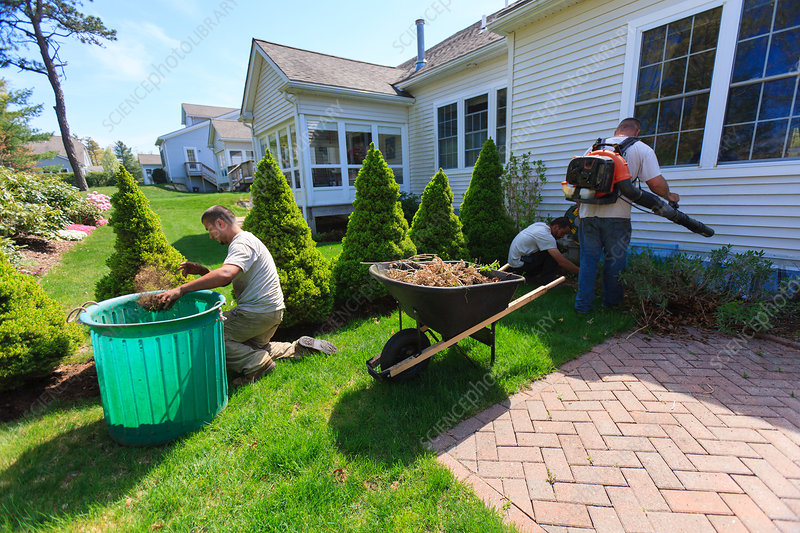

A home garden is more than an outdoor space—it’s a personal oasis that enhances your lifestyle, improves air quality, and provides access to fresh produce. Whether you’re cultivating vegetables, flowers, or herbs, understanding the foundational steps will set you up for long-term success.
Understanding Your Garden Space
Before planting anything, evaluate the environment you’re working with. This ensures that your garden design aligns with natural conditions rather than working against them.
Key factors to assess
-
Sunlight availability: Most plants require at least 6 hours of direct sunlight daily.
-
Soil type and drainage: Clay-rich soil retains water; sandy soil drains quickly.
-
Climate zone: Determines which plants thrive naturally in your region.
-
Available space: Influences layout choices, plant density, and future expansion.
Planning Your Garden Layout
Thoughtful planning prevents overcrowding and helps maintain plant health. Sketching a simple layout creates visual clarity for spacing and design.
Tips for effective layout
-
Group plants by needs (water, sunlight, soil).
-
Allow room for growth, especially for shrubs and vegetables.
-
Consider pathways to avoid stepping on planting beds.
-
Use raised beds if your native soil is poor or compacted.
Preparing the Soil
Healthy soil is the foundation of a thriving garden. Taking time to enrich it ensures better root development and higher yields.
Steps to improve soil quality
-
Test soil pH to determine acidity or alkalinity.
-
Incorporate organic matter like compost or well-rotted manure.
-
Loosen compacted soil to improve aeration and water absorption.
-
Mulch the surface to control weeds and regulate moisture.
Choosing the Right Plants
Selecting suitable plants increases your success rate and reduces maintenance. Beginners should start with hardy, low-maintenance varieties.
Plant categories to explore
-
Vegetables: Tomatoes, lettuce, peppers, beans.
-
Herbs: Basil, rosemary, mint, oregano.
-
Flowers: Marigolds, zinnias, lavender, sunflowers.
-
Native plants: Naturally adapted and more resistant to pests.
Watering Techniques That Support Growth
Watering is both an art and a science. Overwatering can suffocate roots, while underwatering causes stress and poor development.
Best watering practices
-
Water early in the morning to reduce evaporation.
-
Aim for the soil, not the foliage, to prevent fungal diseases.
-
Use drip irrigation or soaker hoses for consistent moisture.
-
Adjust frequency based on weather and soil type.
Managing Pests and Diseases
A healthy garden requires proactive care. Observing early signs of stress helps prevent widespread issues.
Natural pest control methods
-
Introduce beneficial insects such as ladybugs.
-
Use neem oil or insecticidal soaps for mild outbreaks.
-
Practice crop rotation to minimize soil-borne diseases.
-
Remove debris where pests tend to hide and reproduce.
Seasonal Maintenance for Long-Term Success
Gardens evolve throughout the year. Consistent maintenance keeps the space vibrant and productive.
Maintenance checklist
-
Prune regularly to encourage new growth.
-
Refresh mulch each season to suppress weeds.
-
Fertilize at proper intervals based on plant type.
-
Remove spent blooms to promote continuous flowering.
-
Plan crop transitions for year-round productivity.
Creating a Sustainable Garden
Sustainable gardening supports the environment while reducing personal effort. It also encourages biodiversity and long-term soil health.
Ways to cultivate sustainability
-
Collect rainwater to lower water usage.
-
Compost kitchen scraps to replenish nutrients naturally.
-
Plant pollinator-friendly species to support local ecosystems.
-
Choose drought-resistant varieties in dry climates.
FAQs
1. How much space do I need to start a home garden?
You can begin with as little as a few square feet. Containers, balconies, and small raised beds work well for limited areas.
2. What is the easiest plant for beginners to grow?
Herbs like basil and mint, and vegetables like lettuce or radishes, are ideal for beginners due to low maintenance needs.
3. How often should I fertilize my garden?
Most gardens benefit from fertilizing every 4–6 weeks during the growing season, depending on plant type and soil richness.
4. Is it better to start with seeds or seedlings?
Seedlings offer a head start and are easier for beginners, while seeds are more cost-effective and offer greater variety.
5. How do I improve poor drainage in my soil?
Adding organic matter, creating raised beds, or blending in sand or compost improves drainage significantly.
6. What are signs that my plants aren’t receiving enough sunlight?
Common symptoms include leggy growth, pale leaves, and minimal flowering or fruiting.
7. Can I garden year-round?
Yes—by choosing seasonal plants, using cold frames, or incorporating indoor growing techniques, you can garden in every season.

Comments are closed.