
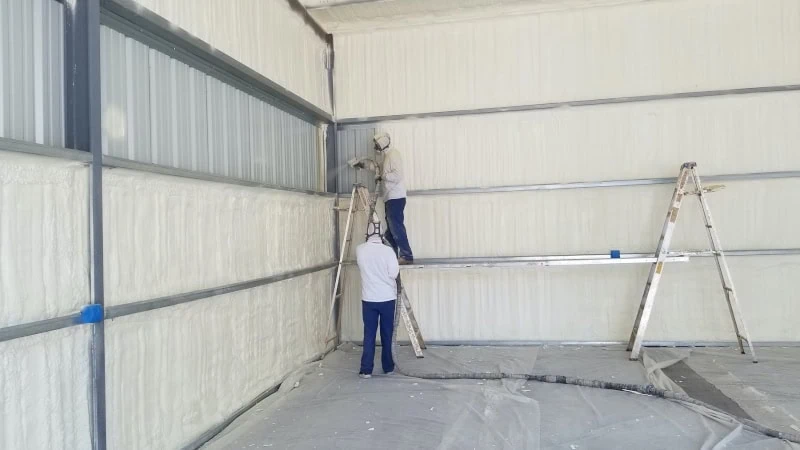

Insulating metal buildings effectively ensures energy efficiency, comfort, and longevity. Proper insulation can significantly affect whether the structure serves residential, commercial, or industrial purposes. The experts at CMI Insulation are dedicated to helping you pick the most suitable insulation for your specific requirements. In this post, we’ll discuss various insulation types and the key essentials to consider when choosing. Proper insulation helps regulate indoor temperatures, reduce energy consumption, and protect the building from moisture and environmental damage. By knowing all of the options and considerations, you can make an educated decision that increses the benefits of your investment.
Understanding different insulation types
There are several insulation materials for metal buildings, each with unique pros and cons. Two
of the most popular options are fiberglass and spray foam. Fiberglass insulation is economical and easy to install. It comes in batts, rolls, or loose-fill forms. However, it can be less efficient if not installed properly and may absorb moisture, which reduces its insulating capability.
Spray foam insulation offers excellent thermal resistance and creates an airtight seal. It extends to fill gaps and cracks, making it highly effective in reducing air leaks. This type is ideal for areas where moisture control and maximum energy efficiency are essential, though it tends to be more expensive and usually requires professional installation.
Factors to consider when choosing insulation
The climate of your metal building’s location heavily influences your insulation choice. Materials with high thermal resistance, such as spray foam, in colder regions provide better heat retention. In contrast, reflective insulation might be more effective in hot climates to keep the building cool. Your budget is another crucial factor. While high-performance insulation types like spray foam offer superior energy efficiency, they can be pricier upfront. Balancing initial costs with long-term energy savings is vital for making an informed decision. Consider the building’s intended use, as different applications may require varying insulation properties for optimal performance.
Benefits of proper insulation
Proper insulation provides several advantages that go beyond just saving on energy bills. Effective insulation significantly enhances indoor comfort by maintaining a consistent temperature throughout the year, preventing overheating in summer and excessive cooling in winter. Also, it acts as a sound barrier, decreasing noise from outside and creating a quieter indoor environment. Insulation also plays a very important role in moisture control, protecting the building structure from potential damage due to condensation and mold growth. By minimizing air leaks and improving the overall airtightness of the building, proper insulation supports better air quality and reduces the strain on heating and cooling systems. These benefits provide a more comfortable, heavy-duty, cost-effective metal building.
Installation tips and best practices
Guaranteeing the proper installation of your insulation is crucial for its performance and longevity. Preventing common mistakes, such as improper sealing and neglecting vapor barriers, can significantly impact the effectiveness of your insulation. Ensure no gaps and that the insulation fits snugly against the building components. Regular maintenance is equally important. Periodically check for signs of wear, moisture intrusion, and damage. Dealing with these issues early can prevent more significant problems down the line.
Properly installed insulation can prevent air leaks and maintain the building’s airtightness. Follow the manufacturer’s instructions and consider professional installation for complex projects. This attention to detail will ensure that your insulation performs optimally, providing energy efficiency and comfort for years.
Experts’ advice on insulation selection
At CMI-Insulation.com, our experts provide valuable insights and recommendations based on years of experience in the industry. We recommend considering both immediate and long-term benefits when choosing insulation. Some options may seem costly upfront, but their energy savings and durability often justify the investment. Getting expert advice professionals can help you assess your needs and select the most appropriate insulation type.
Our experts emphasize the importance of evaluating the specific requirements of your building, including its use and location. For instance, industrial buildings may have different insulation needs than residential structures. The goal is to match the insulation properties with your building’s purpose to maximize efficiency and performance.
Our clients ‘ case studies and success stories show significant improvements in energy efficiency and indoor comfort after upgrading their insulation. From reducing utility bills to enhancing air quality, these real-world examples highlight the positive impact of selecting the proper insulation.
Our team also advises on the importance of proper installation. Even the best insulation materials won’t perform effectively if not installed correctly. This is why we often recommend professional installation, especially for complex projects. Expert installation ensures all gaps are sealed, and the insulation fits snugly against the building components, enhancing energy efficiency and overall comfort.
For those looking to maximize their investment, our experts suggest considering future energy costs and potential savings. An initial investment in high-quality insulation can lead to substantial savings over time, making it a wise choice for long-term sustainability.
By prioritizing quality materials and expert installation, you can ensure long-term savings and durability for your structure. Consulting with professionals is highly advisable for personalized recommendations and insights tailored to your needs. This ensures you make a well-informed decision that optimizes your investment in insulation.

Comments are closed.