
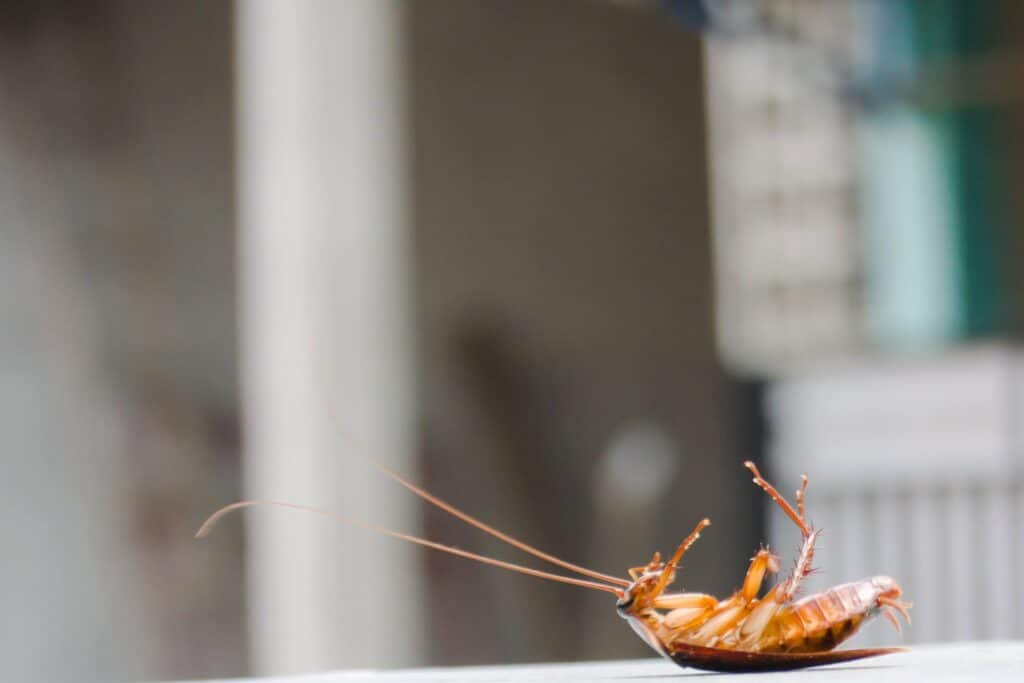

Every homeowner or renter encounters an unwanted domestic intruder at some point. While spotting a lone ant on a kitchen countertop might seem trivial, pests rarely travel alone. In most instances, seeing a pest in plain sight means several dozen, or even hundreds, are hiding behind drywall, beneath floorboards, or deep inside ductwork.
Early pest detection is the single most effective way to protect both your property and your household health. Left unchecked, small colonies grow exponentially, chewing through timber framing, spoiling food supplies, fouling insulation, and transmitting pathogenic bacteria. By learning the subtle, early warning signs of common residential invaders, you can intervene decisively before an irritation spirals into an expensive structural crisis.
Rodents: Mice and Rats
Mice and rats enter homes in search of food, water, and warm shelter, especially during late autumn and early winter. Because they can squeeze through openings as narrow as a dime, homes with tiny foundation cracks or gaps around pipe entries are prime targets.
-
Droppings: Rodent feces provide the most frequent initial evidence. Mouse droppings are tiny, dark, and pointed at both ends, measuring roughly one-quarter of an inch. Rat droppings are considerably larger, often reaching half an inch, with blunter ends. Fresh droppings look dark and moist, whereas older deposits turn dry, dull, and brittle.
-
Gnaw Marks: Rodent incisors grow continuously throughout their lives, compelling them to chew relentlessly to grind them down. Watch for tooth grooves on baseboards, pantry packaging, electrical cords, and floor joists. Fresh wood shavings beneath cabinets frequently indicate active gnawing.
-
Grease Smears: Rats and mice stick close to walls as they travel due to poor eyesight. Over time, the oils, grease, and dirt trapped in their fur leave dark, oily rub marks along baseboards, kick plates, and around wall openings.
-
Nocturnal Sounds: Because rodents are mostly active at night, you may hear scratching, rustling, or scurrying inside wall cavities, above drop ceilings, or inside attic crawlspaces when the house is quiet.
Termites: Subterranean and Drywood Varieties
Termites are often dubbed silent destroyers because they hollow out homes from the inside out without announcing their presence until catastrophic damage occurs. Subterranean termites require soil contact to survive, while drywood termites nest directly inside structural timbers.
-
Mud Tubes: Subterranean termites construct pencil-thin tunnels out of earth, saliva, and fecal debris to retain moisture while moving between underground nests and indoor wood sources. These tubes run across foundation walls, basement masonry, or interior floor piers.
-
Discarded Wings: In spring or early summer, reproductive termites, known as swarmers, leave parent colonies to mate and establish new nests. After landing, they twist off their wings. Finding piles of identical, translucent wings along windowsills, in spiderwebs, or near exterior doorways is a clear indicator of a mature colony nearby.
-
Hollow-Sounding Wood: When tapped with a wooden mallet or screwdriver handle, wood attacked by termites produces a dull, papery thud. If you press firmly into suspect wood and the surface crumbles into layered channels packed with soil or fine grit, an infestation is underway.
-
Frass: Drywood termites kick their waste out through pin-sized kick-out holes. Their droppings, known as frass, look like uniform, tiny, hexagonal wooden pellets that pile up beneath infested doorframes, moldings, or window jambs like piles of coarse sand.
Bed Bugs: Cimex Lectularius
Bed bugs are notorious hitchhikers that travel inside suitcases, on thrifted furniture, or through shared laundry rooms. Contrary to popular belief, bed bug presence has nothing to do with cleanliness; they thrive wherever human hosts rest for long periods.
-
Fecal Spotting: One of the earliest reliable indicators is fecal spotting. These are tiny, dark brown or black dots that look like fine-tipped ink pen spots. Unlike dirt, they bleed slightly into fabric fibers like a marker. Check the seams, tufts, and tags of mattresses, as well as headboards and nearby electrical outlet covers.
-
Molted Skins and Egg Casings: As juvenile bed bugs grow, they pass through five nymph stages, shedding their translucent exoskeletons each time. Look for papery, golden-amber shells gathered inside mattress piping or behind headboard crevices.
-
Unexplained Bites: Bed bug bites often emerge as small, red, itchy welts arranged in short lines or clusters, colloquially termed breakfast, lunch, and dinner marks. They typically appear on bare skin exposed during sleep, such as arms, necks, shoulders, and ankles.
-
Sweet, Musty Odor: Severe infestations release an unmistakable sweet, sickly, almond-like or musty pheromone odor, often compared to rotting raspberries or damp moldy leaves.
Cockroaches: German and American Roaches
German cockroaches inhabit indoor spaces like kitchens and bathrooms, multiplying at staggering rates, while larger American cockroaches usually venture inside from damp crawlspaces, basements, and sewer lines.
-
Pepper-Like Droppings: Early German roach activity is easily spotted in lower drawers, hinges, and behind refrigerators. Their droppings resemble coarse black pepper flakes or coffee grounds. In wet environments, they leave smear marks that dry into dark, irregular streaks.
-
Egg Capsules: Female roaches drop hardened protein capsules called oothecae. These elongated, pill-shaped cases are reddish-brown to dark brown. You may find them tucked into dark pantry corners, behind baseboard cracks, or under sink cabinets.
-
Pungent Oily Scent: Cockroaches communicate through chemical cues. An active pocket of roaches produces an oily, lingering, musky stench that clings to shelves and dinnerware inside infested storage areas.
-
Daytime Sightings: Because roaches shun ambient light, spotting even one insect darting across a kitchen floor in daylight suggests high population pressure, forcing weaker roaches out of crowded nesting sites to search for resources.
Carpenter Ants: Structural Invaders
Often confused with termites, carpenter ants do not consume cellulose for nutrition. Instead, they excavate neat galleries within moist or decaying timber to carve out nesting chambers for their queens and brood.
-
Frass Piles: Unlike termites, which pack their galleries with mud, carpenter ants maintain immaculate chambers. They discard wood tailings through microscopic slots. The resulting frass resembles fine sawdust mixed with insect body fragments, shed ant legs, and fragments of dead prey.
-
Physical Appearance: Carpenter ants are large, ranging from one-quarter to one-half inch long, typically jet-black or red-and-black. They feature bent antennae and a distinctly pinched waist with a single node, distinguishing them from broad-waisted termites.
-
Faint Rustling Sounds: Pressing an ear against a wall containing an active carpenter ant nest often reveals faint, dry rustling noises, comparable to crinkling cellophane, as hundreds of worker ants groom and carve within the timber.
Frequently Asked Questions
What should I do first when I spot signs of a pest infestation?
Photograph the evidence immediately, noting the date, room location, and exact structural details. Collect dead specimen samples or shed parts in a clear zip-top bag to help an exterminator confirm the exact species. Avoid using broad-spectrum over-the-counter bug bombs right away, as they often scatter pests deeper into wall cavities rather than eliminating the core colony.
How can I tell flying ants apart from termite swarmers?
Examine the insect’s body segments and wings closely. Termites have broad, uniform waists, straight bead-like antennae, and two pairs of wings that are identical in length and paddle-shaped. Flying ants display a distinct, pinched, hourglass waist, elbowed antennae, and their front wings are noticeably longer than their hind wings.
Are natural home remedies like peppermint oil effective for clearing pests?
Natural oils like peppermint, clove, or cinnamon can serve as mild, short-term sensory deterrents to keep bugs away from specific thresholds. However, they lack the systemic strength to eradicate established colonies, nests, or egg deposits. Relying solely on botanical repellents often allows hidden pest populations to grow unchecked behind walls.
Why do pests seem worse right after heavy rainstorms?
Torrential rain saturates the soil, flooding subterranean nesting tunnels and driving burrowing insects, ants, and rodents out of their natural habitats. Seeking dry ground, warmth, and steady food sources, they exploit foundation vents, weepholes, and crawlspace penetrations to access residential interiors.
Which household pests carry the highest risk of spreading disease?
Cockroaches and rodents pose severe public health risks. Cockroaches track Salmonella, E. coli, and parasitic worm eggs across food preparation surfaces and shed allergens that trigger asthma attacks. Rodents spread hantavirus, leptospirosis, and lymphocytic choriomeningitis through dried airborne particles of urine, saliva, and droppings.
Can pests damage plumbing and home wiring?
Yes. Rodents must constantly grind down their teeth, frequently stripping protective plastic insulation from copper electrical wires, which creates short circuits and home electrical fires. Rats and mice are also capable of chewing through PVC plumbing pipes and PEX water lines, triggering hidden water leaks and subsequent mold growth.
How often should a home undergo professional pest inspections?
A thorough professional pest inspection is recommended once a year for standard residential properties, ideally in the spring. Properties situated in high-risk zones, such as humid Southern climates prone to subterranean termites or heavily wooded neighborhoods with dense rodent populations, benefit from semi-annual or quarterly monitoring.

Comments are closed.