

Why Builders Are Paying Attention To Better Bonding Methods
Construction has changed in quiet ways. Materials look similar, tools feel familiar, yet expectations keep rising. Projects need to last longer, look cleaner, and handle stress without fuss. That shift is why bonding methods now matter more than ever. We are no longer just sticking things together. We are shaping how structures age over time.
This guide exists to slow the conversation down. Too many builders rush past adhesives, treating them like an afterthought. That often leads to weak joins, callbacks, or surface damage later. We wanted to explore how the right bonding choice supports cleaner installs and fewer surprises.
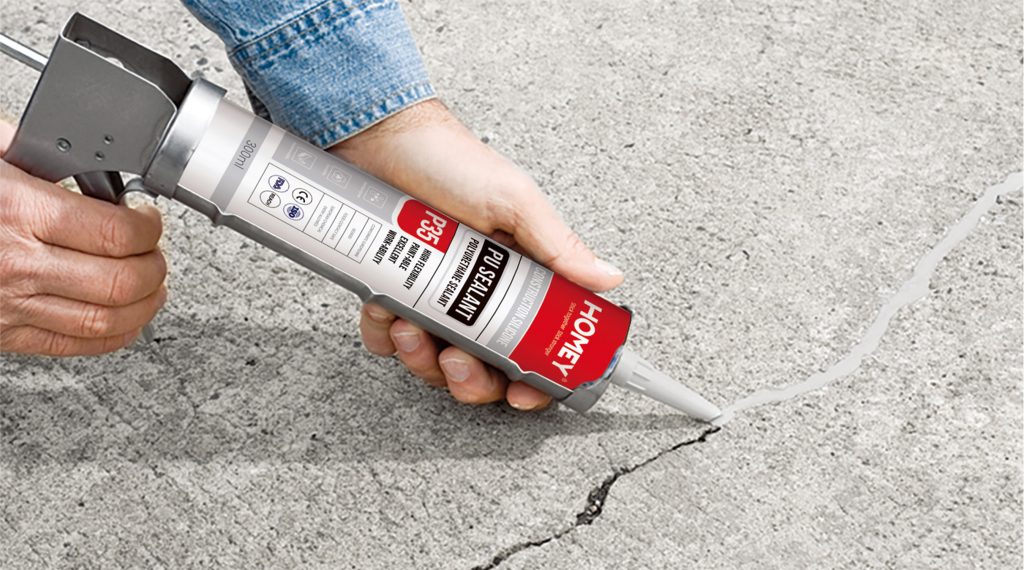
Many teams now work with options such as specialty construction adhesives when accuracy and finish quality matter. These products are not about speed alone. They help manage movement, stress, and mixed materials in real-world conditions.
In this article, we cover what makes these adhesives different, how to select them, and why they help projects hold up better. You will also see practical tips you can apply right away. The payoff is simple. Better bonds, smoother workflows, and work you feel confident standing behind.
What Makes Specialty Construction Adhesives Different From Basics
Basic adhesives aim for one thing. Stick fast. Specialty options focus on balance. They manage grip, flexibility, and cure time together. That matters when surfaces shift or expand.
These adhesives handle varied materials. Wood, metal, drywall, and stone often meet in one project. A single-purpose glue may fail under that mix. Specialty formulas adapt better.
They also support cleaner finishes. Reduced squeeze-out means less sanding or scraping later. That saves time and protects surfaces.
Durability plays a significant role, too. Many specialties options resist moisture and temperature changes. This helps joints stay tight across seasons.
Builders value them because they remove guesswork. You know what to expect during and after the install.
Key differences include
- Better hold across mixed materials
- Controlled set times for adjustment
- Cleaner application results
- Stronger long-term durability
These features turn small details into lasting quality.
How To Choose The Right Adhesive For Each Project Type
Choosing the right adhesive starts with the surface. Smooth surfaces need a different grip than porous ones. Always check how materials interact before applying.
Next, consider movement. Floors, panels, and trim expand and contract. The adhesive must flex without breaking the bond. Rigid products often fail here.
Cure time matters more than most think. Fast set works for small installs. Larger areas benefit from longer open time.
Also, think about the environment. Moisture, heat, and cold all affect performance. Select formulas built for those conditions.
Testing a small area helps avoid mistakes. It shows how the adhesive spreads and sets.
Helpful selection tips
- Match adhesive to material type
- Factor in movement and stress
- Choose cure time wisely
- Account for site conditions
Brilliant selection reduces rework and stress.
Why Specialty Adhesives Improve Long-Term Project Results
Long-term results come from stable joints. Specialty adhesives reduce micro movement that causes cracks. That keeps the finishes intact.
They also support an even load spread. Stress is distributed across the bond instead of concentrating at one point. This improves durability.
Maintenance issues drop when bonds stay secure. Fewer repairs mean happier clients and fewer callbacks.
Specialty adhesives also support cleaner design. Thin profiles and hidden fasteners become possible. That improves the final appearance.
Over time, these benefits protect both reputation and budget.
Long-term advantages include
- Reduced joint failure risk
- Improved finish lifespan
- Lower maintenance needs
- Stronger client trust
Quality bonding shows up years later.
How Proper Application Maximizes Adhesive Performance
Even the best adhesive needs proper use. Surface prep comes first. Clean, dry surfaces bond better every time.
Apply evenly. Too much adhesive weakens the bond. Too few leaves leave gaps. Balance matters.
Use steady pressure during the set. This helps the adhesive grip both surfaces evenly.
Respect cure times. Moving pieces too soon breaks bonds before they form.
Store products correctly between uses. Temperature and sealing affect shelf life.
Application best practices
- Clean surfaces thoroughly
- Apply consistent pressure
- Follow cure time guidance
- Store products properly
Good habits protect performance.
Where Thoughtful Bonding Choices Lead Next
Construction quality often hides in small decisions. Adhesives are one of them. When chosen well and used with care, they quietly support everything above them.
We believe strong projects start with respect for the details. Bonding is not filler. It is structured.
If your goal is work that lasts, pay attention to what holds it together. Thoughtful adhesive choices today save time, money, and frustration tomorrow.
Take a closer look at your next project. Choose bonding solutions with intention. Let your work speak for itself long after the job is done.

Comments are closed.