
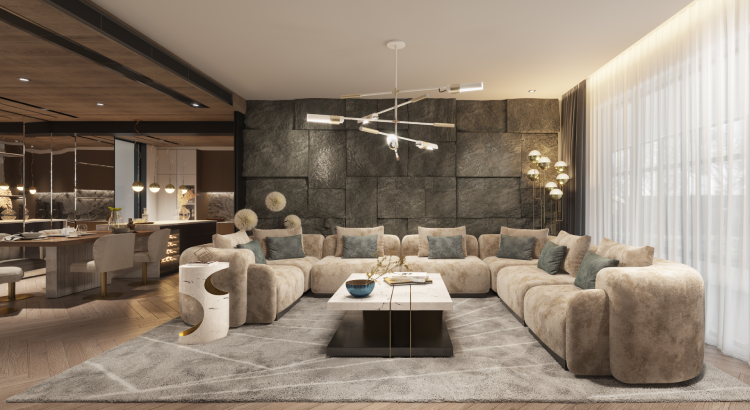

Interior design is the art of shaping interior spaces to improve how we live, work, and feel every day. Modern design, in particular, focuses on simplicity, functionality, and balance—creating spaces that feel both elegant and livable. This guide explores essential principles, styles, materials, and expert strategies to help you elevate any interior.
What Is Interior Design?
Interior design combines creativity and technical skill to enhance the look and function of a space. It includes space planning, color theory, lighting design, material selection, and decorative styling. Ultimately, great interior design transforms rooms into purposeful environments that reflect personal taste and lifestyle.
Core Principles of Modern Interior Design
1. Functionality Above All
Modern interiors emphasize purpose-driven design. Furniture placement should encourage easy movement, and every item should serve a clear function. This approach reduces clutter while enhancing livability.
2. Clean Lines and Minimal Aesthetics
Simplicity forms the backbone of modern style. Straight lines, smooth surfaces, and minimal ornamentation create a sophisticated and uncluttered appearance. Fewer visual distractions allow the room’s form and function to shine.
3. Harmonized Color Palettes
Neutral tones—white, charcoal, beige, and soft grays—form the foundation of modern color schemes. These hues create a calm base, while accent colors such as muted greens, blues, or terracotta add depth and character.
4. Layered Lighting
A well-designed lighting plan transforms the mood and functionality of a space. Incorporate:
-
Ambient lighting for overall brightness
-
Task lighting for focused activities
-
Accent lighting to highlight art or architectural features
Layering these elements produces a warm and balanced environment.
5. Material and Texture Balance
Textures enrich modern interiors. Mixing smooth, matte, rough, and glossy surfaces adds dimension. Popular material combinations include:
-
Natural wood
-
Polished metal
-
Stone surfaces
-
Linen and wool textiles
These create tactile interest while maintaining a cohesive design.
Essential Components of a Well-Designed Interior
Furniture
Choose furnishings that suit both the room’s scale and the intended lifestyle. Opt for streamlined silhouettes, durable materials, and pieces that encourage comfortable living.
Color Planning
Establish a consistent palette throughout the home to create visual flow. Consider monochromatic schemes or subtle contrasts to enhance harmony.
Decor and Accessories
Modern interiors embrace intentional décor. Rather than crowding shelves and surfaces, choose a few meaningful pieces—artwork, sculptures, ceramics—that elevate the room without overwhelming it.
Flooring Choices
Hardwood, large-format tiles, polished concrete, and engineered wood offer timeless bases for modern spaces. Soft area rugs add warmth and help define zones within open layouts.
Space Planning Insights for Homeowners
Open-Concept Layouts
Modern design favors connected spaces that feel airy and expansive. Instead of using walls, let furniture placement and area rugs visually separate functional zones like dining and living areas.
Maximizing Small Spaces
Small rooms can appear larger with the right techniques:
-
Select multifunctional furniture
-
Use vertical storage
-
Choose light, reflective colors
-
Incorporate mirrors to amplify natural light
Personal Expression
Interior design doesn’t end with trends. The most memorable spaces reflect the homeowner’s story. Display personal collections, incorporate custom pieces, or use color accents that match your personality.
Interior Design Trends Influencing 2025
Biophilic Elements
Nature-inspired design remains a major trend. Expect to see:
-
Indoor plants and green walls
-
Organic textures
-
Oversized windows
These features enhance air quality and create serene atmospheres.
Sustainable Design
Eco-friendly choices continue to shape modern interiors. Recycled textiles, reclaimed wood, and energy-efficient lighting systems contribute to healthier living environments.
Smart Home Integration
Technology blends seamlessly into modern interiors through automated lighting, climate control, and advanced home systems. These innovations enhance convenience without disrupting aesthetics.
Warm Minimalism
Unlike traditional minimalism, this style softens simplicity with warm colors and inviting textures. It creates uncluttered spaces that remain cozy and lived-in.
FAQs
1. How do I start designing a room from scratch?
Begin with space measurements and a layout plan. Then select a color scheme, furniture, and décor that align with your vision.
2. What is the difference between modern and contemporary design?
Modern design refers to a defined style with clean lines and minimalism, while contemporary design evolves with current trends.
3. How can I refresh my home without a full renovation?
Updating lighting, paint colors, textiles, or key furniture pieces can significantly transform a space without major construction.
4. What are affordable ways to make a home look modern?
Decluttering, choosing neutral paint, upgrading hardware, and adding modern lighting fixtures are budget-friendly options.
5. How do I choose the right lighting for each room?
Match lighting type to function: soft ambient lights for living spaces, task lighting for work areas, and accent lights for decorative emphasis.
6. What flooring works best for modern interiors?
Hardwood, concrete, and large-format tiles pair well with modern aesthetics and provide long-term durability.
7. Can small homes adopt modern interior design?
Absolutely. Modern design is ideal for small spaces due to its emphasis on simplicity, clean lines, and efficient layouts.

Comments are closed.