
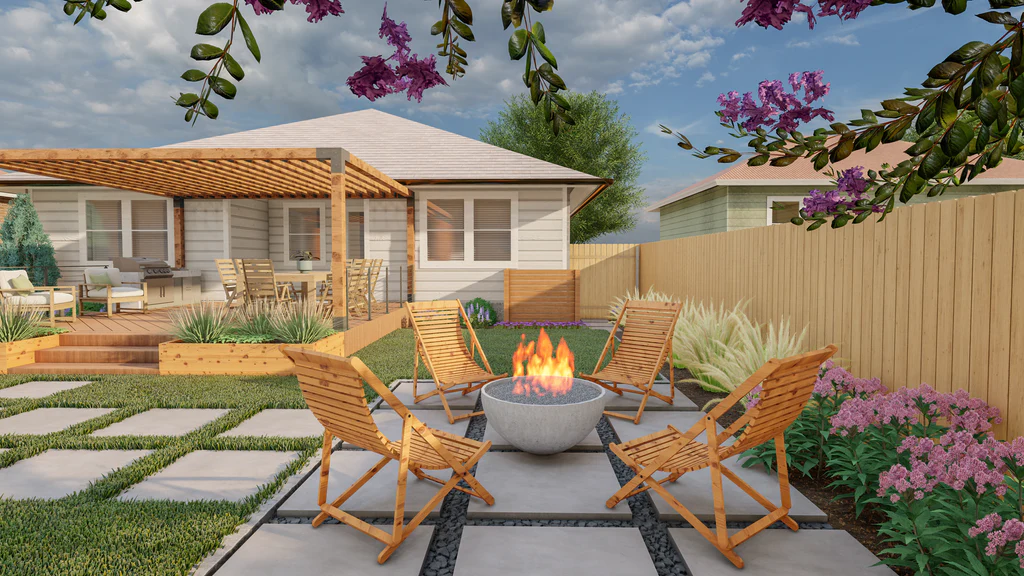

Planning a backyard sounds fun in theory. In reality? It can feel overwhelming fast. You step outside, look at the uneven lawn, the awkward corners, the fence that’s seen better days, and suddenly you’re stuck. Where do you even start? You want something that looks amazing but pulling that off isn’t always obvious. That’s where expert help from backyard design atlanta professionals can prove vital. But before contacting these pros here are a few tips that can help.
Ask Yourself How You Want to Use the Space
Before you think about pavers, plants, or pergolas, you need to get honest with yourself. How do you really see yourself using your backyard? Not the fantasy version, but the real one. Are you hosting friends every weekend? Letting the kids run wild? Sneaking outside with a coffee before work?
Once you answer that, things get clearer. A backyard meant for entertaining needs open zones, seating, maybe an outdoor kitchen. A quieter space might prioritize privacy, shade, and comfort. If you skip this step, you risk designing something pretty that doesn’t quite work. And that’s one of the most common mistakes people make.
Think of your backyard like an extension of your home. You wouldn’t design a living room without knowing whether it’s for movie nights or formal guests, right? Same idea here. When function leads, beauty tends to follow naturally.
Break the Yard Into Purposeful Zones
One big open yard can feel confusing. Smaller, defined areas? Much easier to enjoy. Zoning helps your backyard feel intentional instead of chaotic, even if the space isn’t huge.
You might have a dining zone near the house, a lounging area farther out, and a green space for kids or pets. These zones don’t need walls or fences. Subtle transitions like changes in paving, plant height, or furniture style can do the job beautifully. And here’s the bonus: zoning makes your yard feel bigger. When each area has a clear purpose, the space flows better.
Design for Movement
This is one people don’t think about enough. How do you move through the space? Where do you walk? Where do guests naturally go? If your layout ignores flow, even the prettiest yard can feel awkward.
Paths matter. So does spacing between furniture, planters, and structures. You want movement to feel intuitive, not forced. No one should have to zigzag around chairs or step through flower beds to get where they’re going.
Good flow also affects how relaxed the space feels. When you can move easily, barefoot, drink in hand, dog at your heels, it just works. That ease is part of what makes a backyard feel welcoming, even if you can’t quite put your finger on why.
Balance Hardscape and Greenery Thoughtfully
A functional backyard usually needs some hard surfaces. Patios, walkways, and retaining walls all play a role. But too much hardscape can make the space feel cold or unfinished. Too little can make it muddy and impractical.
The key is balance. Hardscape should support how you use the yard, while greenery softens everything. Plants add texture, color, and movement that stone and concrete just can’t provide on their own.
Think layers, too. Ground cover, shrubs, and trees add depth. And don’t underestimate how much plants affect comfort. Shade trees cool things down. Hedges create privacy and native plants reduce maintenance.
Wrapping Up
Planning a functional and beautiful backyard requires intention. When you focus on how you live, move, relax, and gather, the design starts to make sense. Take your time. Think it through. Be honest about what you want and what you don’t. With the right balance of planning, comfort, and creativity, your backyard can become one of your favorite places.

Comments are closed.