

Roofing is one of the most essential components of any structure, offering protection, insulation, and long-term value. Whether you’re replacing an aging roof or building a new home, understanding the available options and best practices ensures a durable and efficient result.
Understanding the Purpose of a Roofing System
A roof does far more than shield a home from rain. It plays critical roles such as:
-
Thermal insulation
-
Structural protection
-
Energy efficiency enhancement
-
Boosting property value and curb appeal
A well-built roofing system integrates materials, ventilation, flashing, and drainage to maintain long-lasting performance.
Common Roofing Materials
Asphalt Shingles
Asphalt shingles are highly popular due to their affordability and reliability. They offer:
-
Easy installation
-
Wide color and style options
-
Lifespan ranging from 20–30 years
Metal Roofing
Metal roofs are known for durability and energy efficiency. Key advantages include:
-
Lifespans of 40–70 years
-
High resistance to extreme weather
-
Reflective surface that reduces heat absorption
Clay & Concrete Tiles
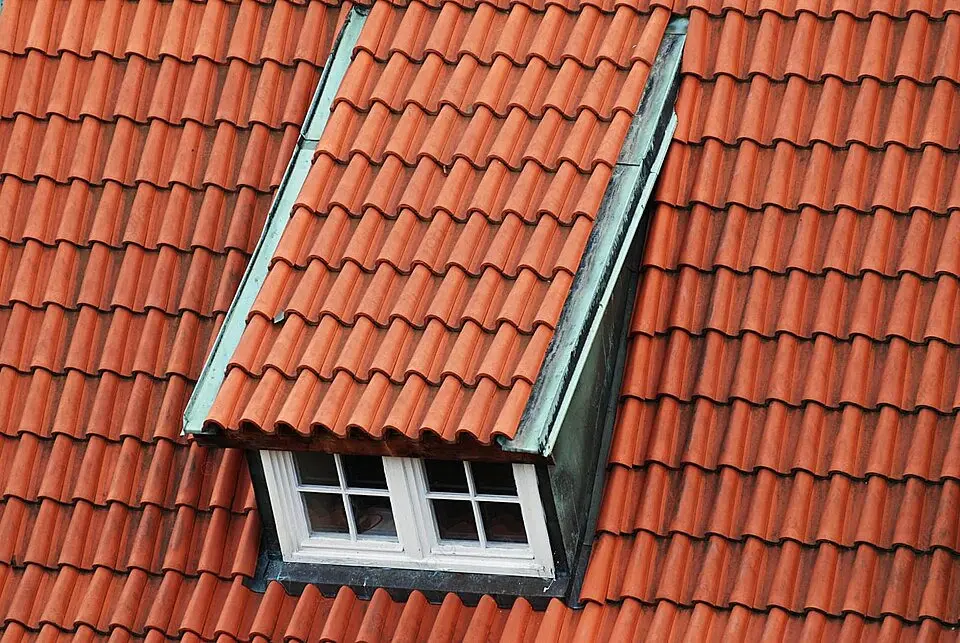
These tiles provide exceptional longevity and aesthetic appeal.
-
Fire-resistant
-
Suitable for warm climates
-
Can last over 50 years
Slate Roofing
Slate is among the most durable roofing materials available.
-
Natural stone appearance
-
Lifespans exceeding 75–100 years
-
Requires reinforced support due to its weight
Wood Shakes & Shingles
Wood roofing offers a natural and rustic aesthetic.
-
Typically made from cedar
-
Good insulation properties
-
Requires regular maintenance to prevent rot or mold
Key Factors When Choosing a Roofing Material
Climate Compatibility
Different materials perform better in certain climates. Metal and tile roofs excel in hot regions, while asphalt shingles perform reliably in diverse weather conditions.
Budget & Longevity
Balancing upfront cost with life expectancy is essential. Slate and metal cost more initially but can last decades longer than asphalt.
Aesthetic Requirements
Roof color and style significantly affect your home’s appearance and resale value.
Structural Limitations
Heavier materials like slate or tile may require added structural support.
Roofing Installation Essentials
Professional Assessment
A roofing contractor should inspect:
-
Roof decking
-
Ventilation requirements
-
Flashing conditions
-
Underlayment choices
Proper Ventilation
Good airflow prevents moisture buildup and extends the lifespan of your roof.
Quality Underlayment
A strong underlayment acts as an additional barrier against leaks and harsh weather.
Accurate Flashing Installation
Flashing protects vulnerable areas such as chimneys, skylights, and valleys. Incorrect installation is a common cause of leaks.
Roofing Maintenance Tips
Conduct Regular Inspections
Check your roof bi-annually and after severe storms to identify early signs of damage.
Clean Gutters and Downspouts
Blocked drainage can cause water to back up and damage shingles or fascia.
Remove Debris
Leaves and branches trap moisture and accelerate deterioration.
Address Minor Repairs Immediately
Small issues—like missing shingles—should be fixed promptly to prevent costly damage.
Signs You Need a Roof Replacement
-
Curling or cracked shingles
-
Frequent leaks
-
Granule loss on asphalt shingles
-
Sagging roof sections
-
Rising energy bills
If your roof shows multiple warning signs, a replacement may be more cost-effective than continual repairs.
Frequently Asked Questions (FAQ)
1. How long does a standard roof last?
Most asphalt roofs last 20–30 years, while metal, tile, and slate roofs can last significantly longer.
2. What time of year is best for roof installation?
Spring and fall are ideal due to mild weather, though modern materials allow installation year-round.
3. How do I know if my roof has ventilation issues?
Hot attic temperatures, mold, and premature shingle aging often indicate poor ventilation.
4. Can a new roof improve energy efficiency?
Yes, many roofing materials reflect heat and provide insulation, helping reduce energy costs.
5. How often should I clean my gutters to protect my roof?
Cleaning gutters at least twice a year helps prevent water damage and structural issues.
6. Are roof leaks always visible inside the home?
Not always—some leaks remain hidden within attic spaces before reaching the interior.
7. Do metal roofs make homes louder during rain?
Modern metal roofing systems include insulation layers that minimize noise effectively.

Comments are closed.