

Where Layout Choices Quietly Shape Buying Decisions
Retail wine spaces are busy places. Bottles compete for attention. Labels fight for a second look. Shelves do more than hold inventory. They guide behavior. This guide exists to slow things down and look closely at those choices. We are not here to chase trends or bold statements. We want to explain what actually helps shoppers move from browsing to buying.
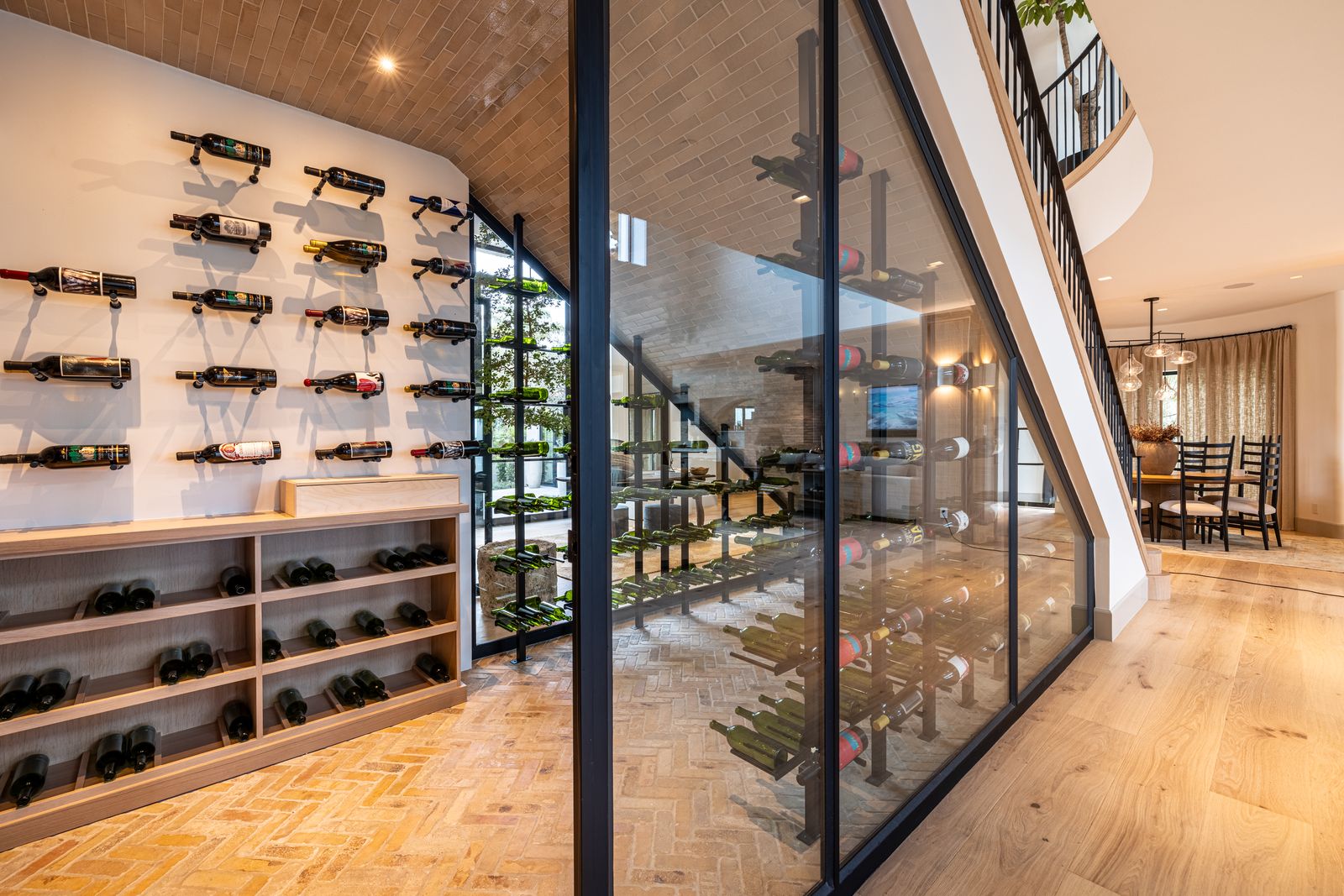
Many shop owners focus on pricing and selection first. That makes sense. Yet layout often decides how long customers stay. It also shapes what they notice. When stores lean on structure, clarity improves. Some retailers turn to solutions such as wine display design for retail shops to bring order to busy shelves. This is not about luxury. It is about flow and ease.
In this article, we walk through how display design affects movement, focus, and trust. You will learn what works on crowded floors, how design supports staff, and why shoppers respond to specific layouts. The payoff is simple. Better displays reduce confusion. They help bottles sell themselves. By the end, you will see display design as a quiet sales tool, not just furniture.
What Wine Display Design Means Inside A Retail Environment
Wine display design covers how bottles are stored, shown, and accessed. It includes shelving height, spacing, lighting, and direction. These elements work together. When planned well, they reduce friction. Shoppers feel guided, not pushed. That feeling matters more than most realize.
Retail displays must balance density and clarity. Too many bottles create noise, too little waste space. Good design finds the middle ground. It lets customers scan, then stop when something catches the eye. Displays should support labels, not hide them.
Core elements to consider
- Clear sightlines from entry points
- Logical grouping by type or region
- Easy reach without bending or stretching
- Consistent spacing between bottles
The goal is not decoration. It is comfort. When shoppers feel relaxed, they browse longer. That extra time often leads to better sales.
Why Display Layout Influences How Customers Choose Wine
Most customers do not plan every bottle they buy. Many decide in the aisle. Layout plays a quiet role in that moment. Displays that feel clean and organized build trust. Shoppers assume the wine is handled with care. That assumption affects choice.
Poor layout creates hesitation. Bottles placed too high or too low get skipped. Tight rows feel risky to touch. Open spacing invites interaction. When customers can easily grab and return a bottle, they engage more.
Layout impacts behavior in clear ways
- Eye-level placement increases attention
- Angled displays improve label reading
- Consistent sections reduce decision stress
- Open aisles encourage slower movement
Design does not force decisions. It removes obstacles. That difference is subtle but powerful. Customers feel in control, which increases confidence at checkout.
How To Design Displays That Support Staff And Stock Flow
Retail design must work for staff too. Displays should allow quick restocking. Staff need to move without blocking customers. Good design considers daily use, not just appearance. This keeps operations smooth during busy hours.
Displays that align with inventory flow reduce mistakes. When sections are clear, the staff place bottles correctly. This saves time and avoids confusion. It also keeps the store looking neat throughout the day.
Helpful design considerations
- Standardized shelf sizes for restocking
- Clear section labels for fast placement
- Durable materials that handle daily use
- Space behind displays for staff movement
When staff move with ease, service improves. Customers notice that calm efficiency. It adds to the overall shopping experience without saying a word.
How Smart Display Design Builds A Strong Store Identity
Displays communicate values. A clean, thoughtful layout suggests care and knowledge. Shoppers read these signals fast. They decide whether to trust the store before asking questions. Design helps shape that first impression.
Consistency matters here. When displays follow a clear system, the store feels confident. Customers learn where to look. They return because the space feels familiar and easy. Over time, this builds loyalty.
Design elements that support identity
- Consistent materials and finishes
- Precise visual rhythm across aisles
- Balanced use of light and shadow
- Intentional spacing that feels calm
Identity is not about being flashy. It is about being clear. When shoppers understand the space, they feel welcome.
Turning Thoughtful Design Into Daily Results
We believe strong retail spaces start with wise choices. Display design is one of those choices. It affects how customers move, choose, and remember the store. The key takeaway is simple. Good design removes friction and builds trust.
We covered what display design means, why it matters, and how it supports both shoppers and staff. Each part works together. When displays feel easy, sales often follow naturally.
We encourage you to walk through your store as a customer would. Notice where eyes pause and where feet hesitate. Minor adjustments can lead to steady gains. Take the time to refine the details. They often do the most challenging work for you.

Comments are closed.