

Where Less Space Starts Making More Sense Every Day
Big houses once felt like success. Now they feel heavy. More rooms to clean. More bills to track. More space that goes unused. Many people are quietly stepping back and asking a different question. What do I really need to live well?
This guide is for readers thinking along those lines. It is not about giving things up. It is about choosing space with purpose. Smaller homes shift how people live, rest, and plan their days. They bring focus back to comfort and function.
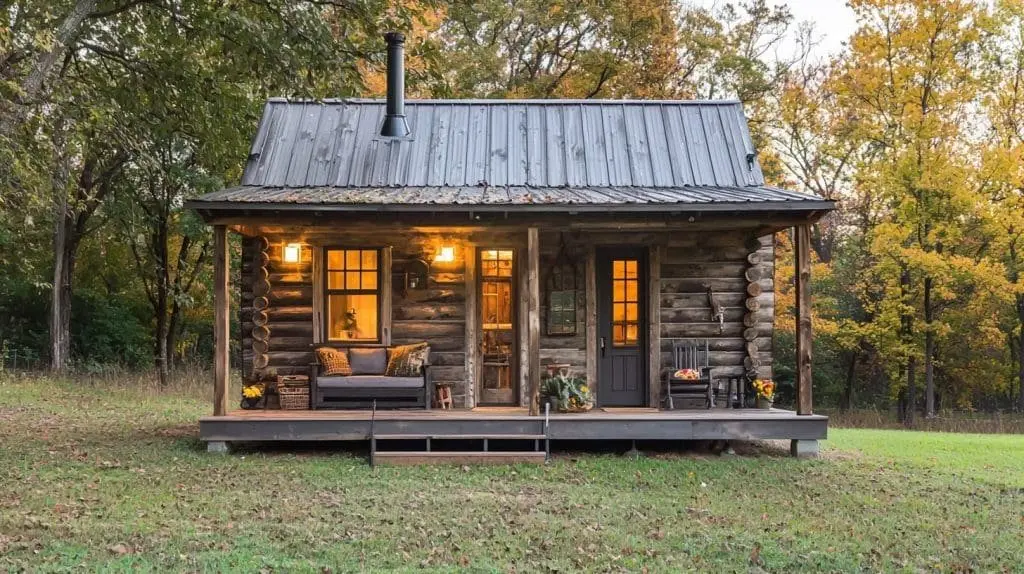
Many new builds are now shaped by services built around small log cabin home kits that help buyers simplify decisions without losing warmth or character. That matters because downsizing should still feel intentional, not limiting.
We will walk through what these kits include, how people plan around smaller layouts, and why compact living often leads to calmer routines. The aim is clarity. Fewer choices. Better use of space. When size drops, intention needs to rise. That is where good planning begins.
What Small Log Cabin Home Kits Usually Include And Support
Small kits are designed to remove excess. They focus on core structure and layout. Logs are pre-cut. Plans are sized for efficient use. Materials arrive ready to assemble with less waste.
These kits typically support open living areas. Walls are limited. Spaces often serve more than one purpose. A dining area becomes a work spot. A loft becomes a sleep space.
While the footprint is small, the structure remains solid. These homes are not temporary. They are built for long-term use and steady comfort.
Standard kit features include:
- Pre-cut log walls and beams
- Compact floor plans
- Roof systems sized for efficiency
- Clear assembly guides
Because the scale is smaller, buildings move faster. Planning stays tighter. Costs are easier to predict. The kit becomes a framework that supports wise choices instead of forcing upgrades.
How To Plan A Small Log Cabin Layout That Feels Open
Small spaces reward thoughtful layout. Every step matters. Flow matters. Light matters. A good plan avoids dead zones and narrow paths.
Open layouts work best. They allow movement and light to travel. Furniture choices also play a role. Built-ins save space. Fold-away pieces add flexibility.
Storage needs to be planned early. Vertical space helps. Lofts and wall units reduce clutter without shrinking walk areas.
Helpful planning ideas include:
- Using open living zones
- Adding loft sleeping areas
- Choosing built-in storage
- Maximizing window placement
When layouts are planned with care, small homes feel calm. They feel intentional. The space works with you, not against you. Good planning makes size feel like a benefit.
Why Small Log Cabin Homes Support Long-Term Comfort
Smaller homes are easier to manage, and heating costs drop. Cleaning takes less time. Maintenance stays simple. These savings add up over the years.
Living smaller also changes habits. People buy less. They organize more. They become selective with what enters the home. That shift often brings peace of mind.
Small homes also adapt well. They work as full-time homes, guest spaces, or retreat cabins. Flexibility adds value.
Long-term benefits include:
- Lower utility costs
- Reduced upkeep effort
- Easier organization
- Flexible use over time
Comfort comes from balance, not size. When a home fits daily needs without excess, life feels lighter. That feeling tends to last.
A Quiet Move Toward Living With More Intention
Choosing a smaller home is not about sacrifice. It is about clarity. When space is limited, choices become meaningful.
We believe thoughtful design supports better living. This guide aimed to show how compact homes can still offer warmth and stability. Take time to reflect on what space really means to you.
If this article sparked ideas, keep exploring layouts that value comfort over excess. Sometimes the best next step is simply choosing less, with purpose.

Comments are closed.